

5 misconceptions about transcranial magnetic stimulation (rTMS)
Transcranial magnetic stimulation (rTMS) has existed in Quebec for more than twenty years. It has been covered by the RAMQ since 2013 in the public network and was just officially validated by the Institut national d'excellence en santé et en services sociaux (INESSS) in January 2026. And yet, many people who could benefit from it […]


Transcranial magnetic stimulation (rTMS) has existed in Quebec for more than twenty years. It has been covered by the RAMQ since 2013 in the public network and was just officially validated by the Institut national d'excellence en santé et en services sociaux (INESSS) in January 2026. And yet, many people who could benefit from it do not know about it or still have a mistaken view of it.
This is not a matter of ignorance: some ideas have circulated for a long time, often confused with other treatments or fueled by images associated with psychiatry from another era. If you have ever said one of these phrases when thinking about rTMS, you are not alone: these are exactly the same questions most people ask before learning more. Here are five of these misconceptions and what the data really say.
Misconception no. 1: “It’s the same as electroshocks”
By far the most common confusion, and probably the most discouraging. The word “electroshock” brings to mind powerful images, often inherited from cinema rather than modern medicine.
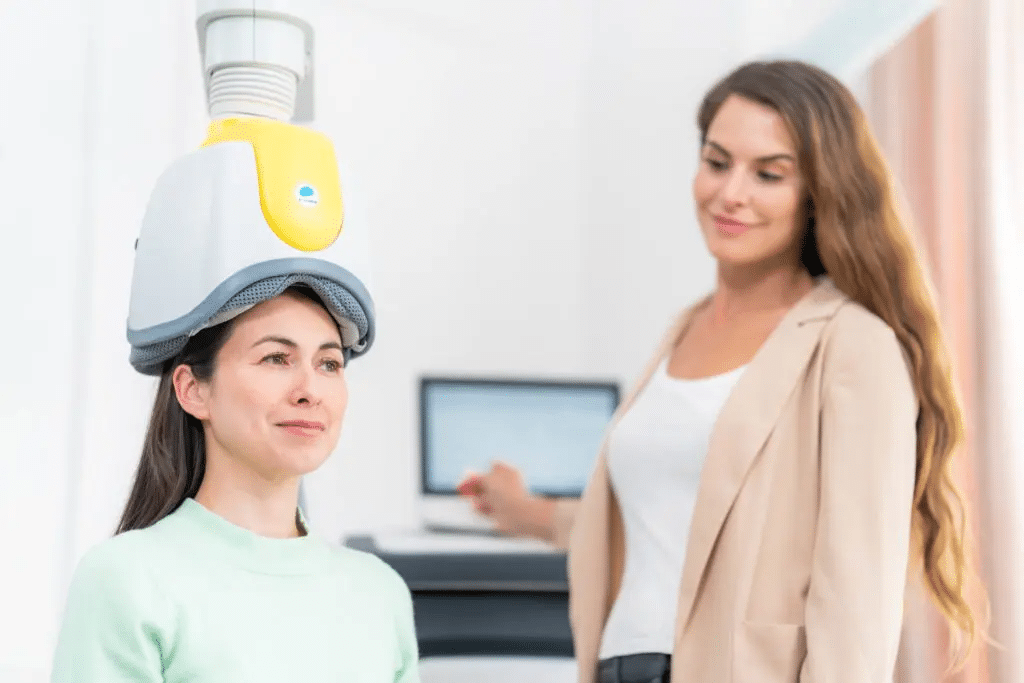
In reality, even though both approaches involve stimulation of the brain, they differ fundamentally in their approach, side effects and procedure.
- Electroconvulsive therapy (ECT) is reserved for severe forms of depression and is performed under general anesthesia, inducing a brief seizure to reset neural circuits.
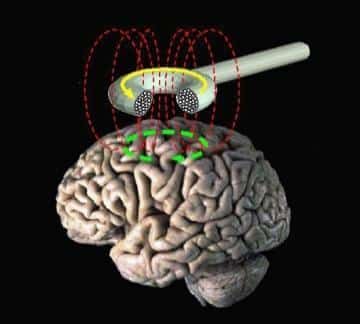
- rTMS uses magnetic fields to stimulate specific areas of the brain in a targeted way, without causing seizures or altering consciousness (INESSS, 2026).
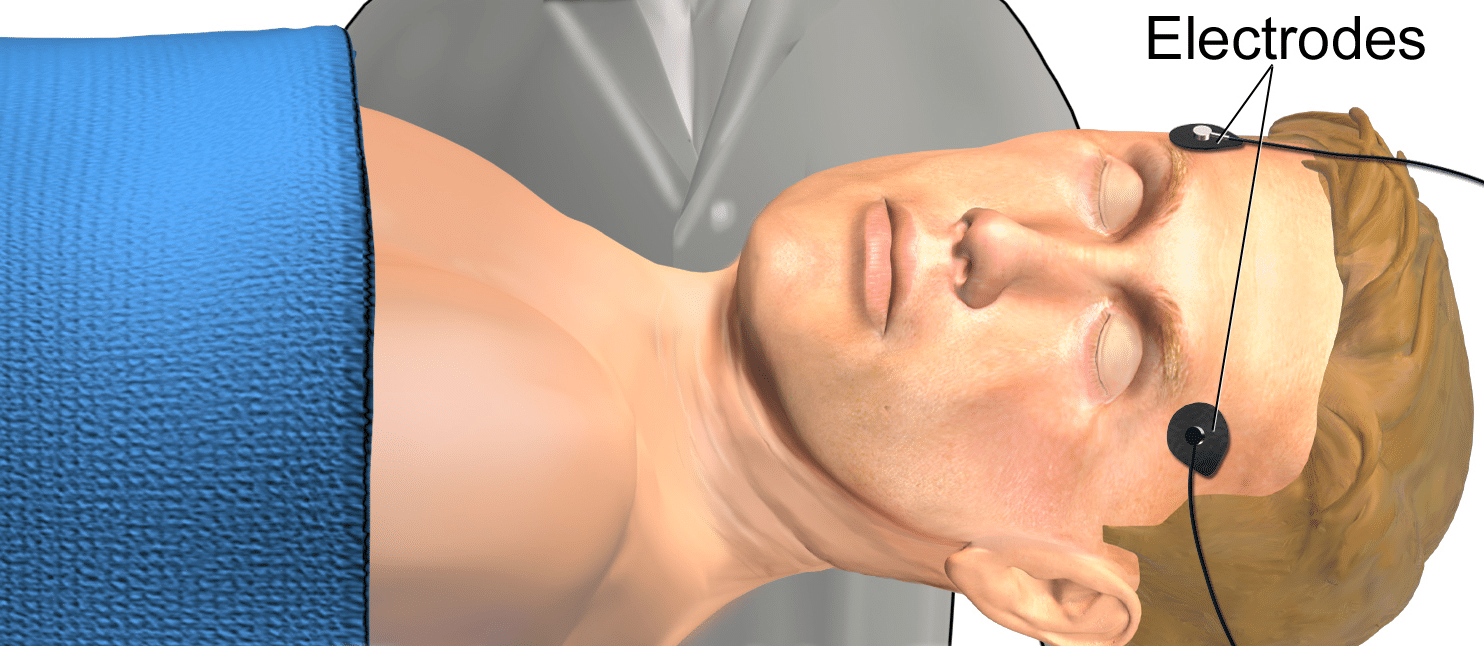
No anesthesia, no seizure, no mouthpiece, no memory loss: these are targeted magnetic impulses that stimulate specific brain circuits. The patient remains seated, awake, and leaves at the end of the session, often able to resume normal activities, including work or driving, as soon as they leave the clinic.
Misconception no. 2: “It’s painful”
Fear of pain is a major barrier, often fueled more by popular culture’s depictions of brain stimulation than by real experience.
In reality, rTMS is a non-invasive solution. Some patients describe a sensation similar to a slight tingling or tapping on the scalp, a bit like someone gently tapping the head with their fingertips. The facial muscles may tense slightly during the pulses. After the session, mild fatigue or a headache may occur, but these effects are temporary and usually disappear within one to two weeks (INESSS, 2026). No long-term adverse effect has been identified at this stage of knowledge, and most patients report that the apprehension felt before the first session quickly fades once the session begins.
Misconception no. 3: “It will change my personality”
A understandable fear when talking about stimulating the brain, but one that rests on a misunderstanding of what rTMS actually does.
rTMS does not change personality. What patients may notice, as depressive symptoms ease, is a return of energy, better concentration, a renewed interest in activities they enjoyed, and a general sense of calm—changes they usually welcome rather than experience as a transformation of themselves.
The therapy targets a specific area of the dorsolateral prefrontal cortex, a region that often functions poorly in depression. It does not alter the entire brain, character traits, or memories (INESSS, 2026). From a technical standpoint, rTMS uses the same type of magnetic pulses as a magnetic resonance imaging (MRI) machine, a well-known technology used for decades in medical imaging.
Misconception no. 4: “It’s a last resort, reserved for desperate cases”
This idea shuts down too many steps even before they begin, and unnecessarily delays access to an option that could help sooner.
rTMS is intended for adults who have not responded to at least two different antidepressant treatments, which in practice concerns a large proportion of people living with depression (INESSS, 2026). It is a recognized step in the care pathway, not a last-resort measure. Health Canada approved rTMS as early as 2002 for mental disorders resistant to first-line treatments: it is not experimental technology, but an approach integrated into clinical practice for more than twenty years.
INESSS even recommends that rTMS be considered before electroconvulsive therapy in the care pathway, because of its more favorable safety profile. Waiting until you are at the end of your rope is neither necessary nor desirable: some people living with treatment-resistant depression remain without appropriate care for years, sometimes decades, because they did not consider this option earlier in their journey. Considering rTMS as a step to explore as soon as the first two treatments fail, rather than as an ultimate resort, can concretely shorten that period of waiting and suffering.
Misconception no. 5: “The results don’t last”
Doubting the durability of the effects is natural for someone who has already experienced treatments that were only partially effective, or that did not hold up over time.
INESSS confirms the clinical effectiveness of rTMS in reducing the severity of depressive symptoms, with significant changes observed in about one-third of treated patients. Other protocols exist: researchers at the Centre for Addiction and Mental Health (CAMH) and the Krembil Research Institute compared standard rTMS to intermittent theta burst stimulation (iTBS), a shorter version of the same principle, as part of a separate study. In that study, about 49% of patients treated with iTBS saw their symptoms decrease, and 32% reached remission. These two figures, although positive, come from different protocols and populations and should not be read as one and the same number.
The effects may vary depending on the profile, the protocols used and the level of resistance to therapy, which is why follow-up by a psychiatrist who is a member of the Collège des médecins du Québec (CMQ) is important, as they adjust the protocol according to each patient’s response. This individualized follow-up is what distinguishes a serious clinical approach from a generic promise: no one can guarantee an exact outcome in advance, but a professional can assess, session after session, whether the approach is working and adjust it accordingly. Maintenance sessions or repeated courses are possible when needed.
Neuroperforma uses Deep TMS, a more advanced version of SMT, notably as part of its intensive SWIFT protocol. As with any SMT approach, results vary from person to person and should be discussed with the clinical team during the initial assessment.
Neuroperforma uses Deep TMS, a more advanced version of SMT offered notably as part of its intensive SWIFT protocol. As with any SMT approach, results vary from person to person and should be discussed with the clinical team during the initial assessment.
In summary
rTMS is not electroshock, it is not painful, it does not change personality, it is not reserved for desperate cases, and its effects, while variable, are documented by a growing body of scientific literature. What remains true, however, is that every situation is different, and an individual assessment remains the best way to know whether this option is relevant for you.
rTMS is a validated, well-tolerated and accessible therapy in Quebec. The best way to dispel the doubts you still have is to speak directly with a professional, without pressure or commitment.
Talk to a member of our team – no commitment
[DISCLAIMER_TMS_QC_FR]
[CANMAT_REF_TMS]


